


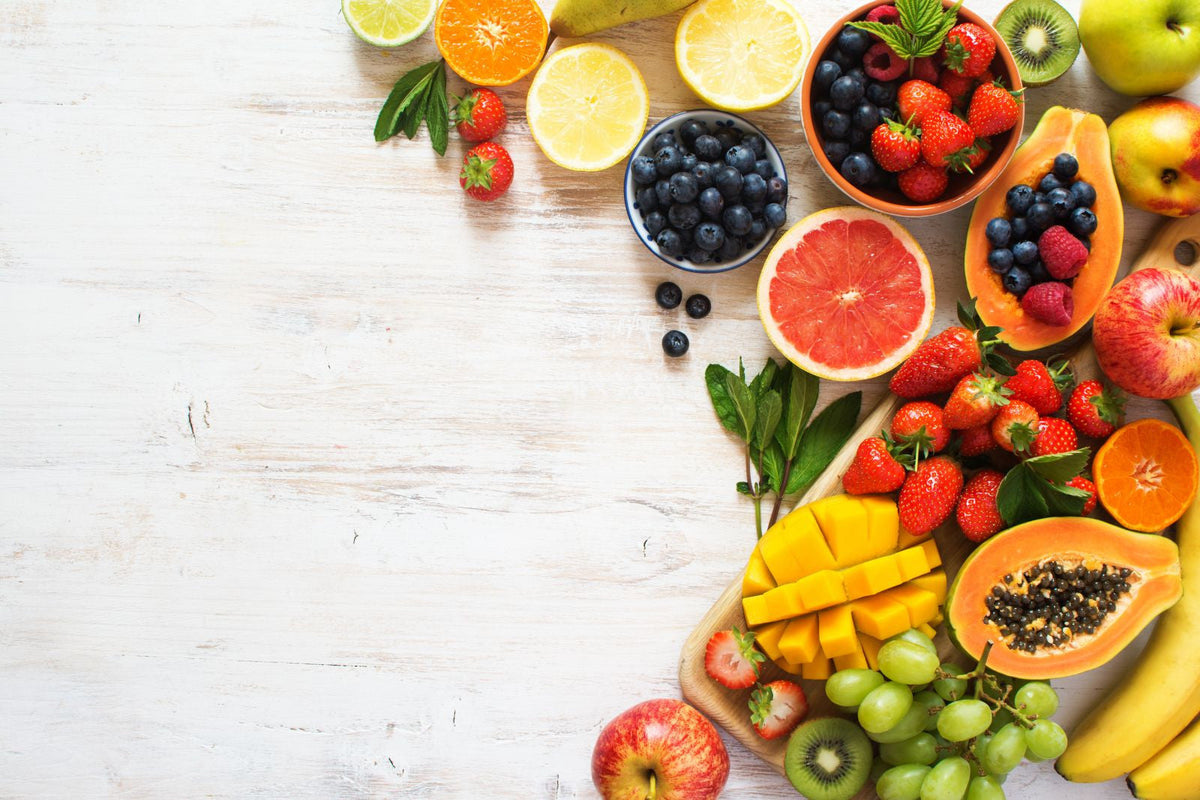
Discover how ube, a purple yam naturally rich in antioxidants, works at the heart of modern plant-based nutrition and why it is now recognized as a functional superfood.
What is an antioxidant?
Antioxidants are natural compounds capable of neutralizing free radicals, unstable molecules generated by metabolism, stress, pollution, or an unbalanced diet.
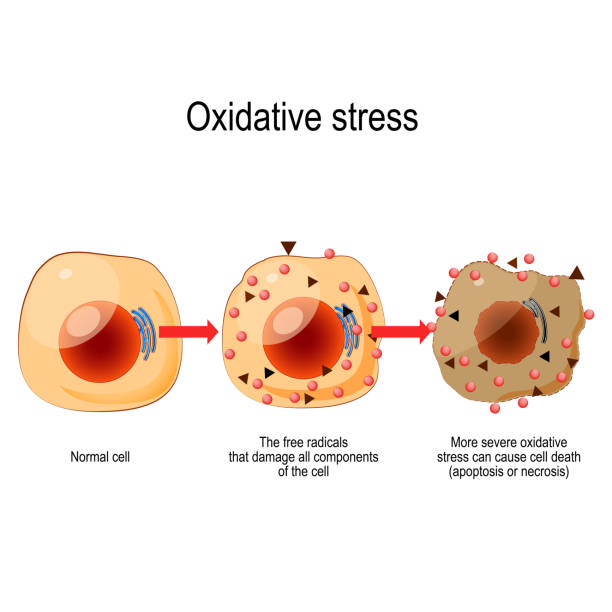
When these free radicals accumulate, they cause oxidative stress, which is involved in premature cellular aging and numerous physiological imbalances.
Why is purple yam (Ube) rich in antioxidants?
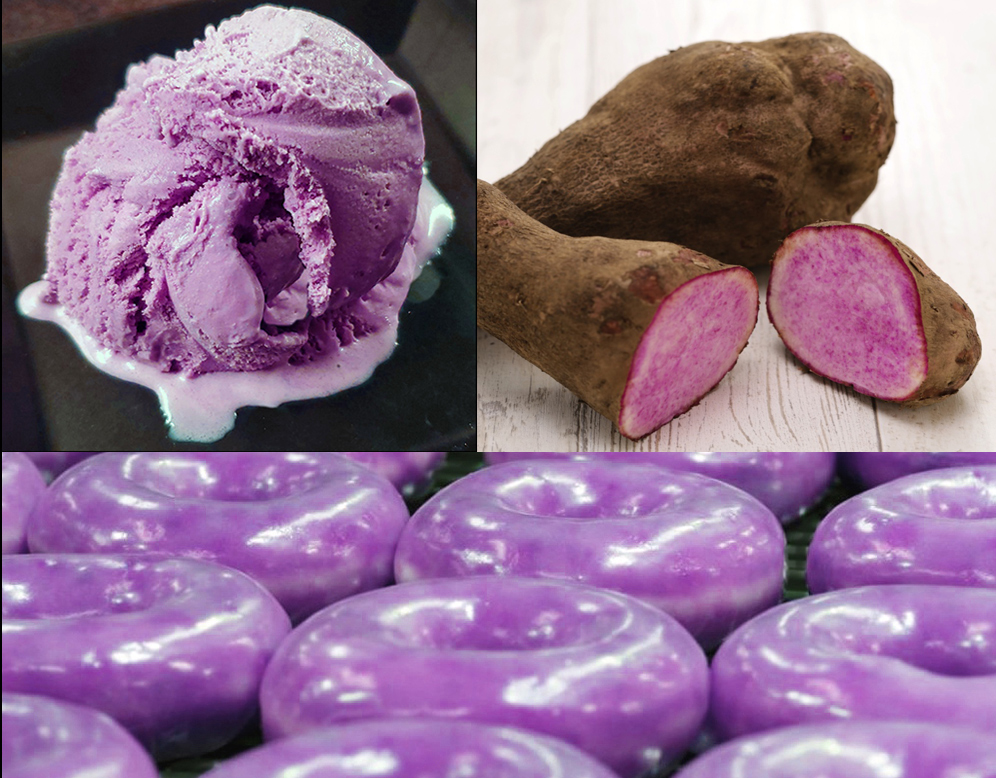
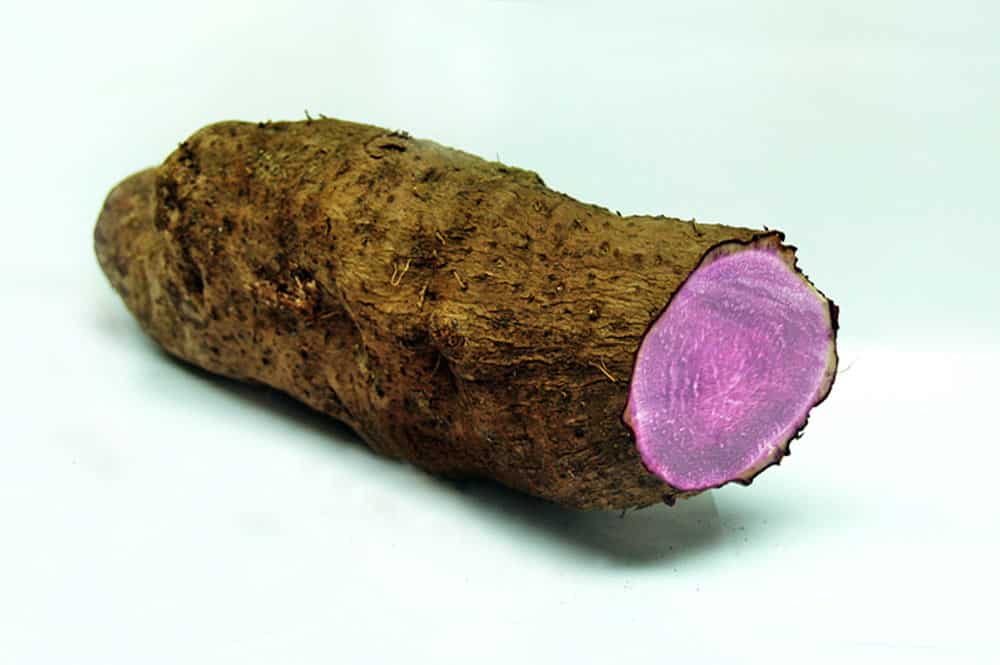
Ube, or Dioscorea alata, is distinguished by its intense purple color, directly linked to its concentration of antioxidant plant pigments.
These compounds are naturally produced by the plant as a protective mechanism against environmental aggressions.
Why ube is special:
- Naturally concentrated purple pigments
- Good nutritional stability after gentle processing
- Interesting antioxidant profile among tubers

Anthocyanins: the antioxidant heart of ube
Anthocyanins belong to the flavonoid family. They are responsible for the purple, blue, and red hues in many plants.
In ube, they constitute the main source of antioxidant activity.
Their biological role:
- Neutralization of free radicals
- Protection of cell membranes
- Contribution to anti-inflammatory mechanisms
- Support for cardiovascular health
Ube and oxidative stress
Oxidative stress results from an imbalance between the production of free radicals and the body's ability to neutralize them.
A diet rich in antioxidants helps support the body's natural defenses.
Ube naturally fits into this approach:
- Non-stimulating plant source
- Caffeine-free
- Compatible with a daily diet
- Suitable for preventive nutrition
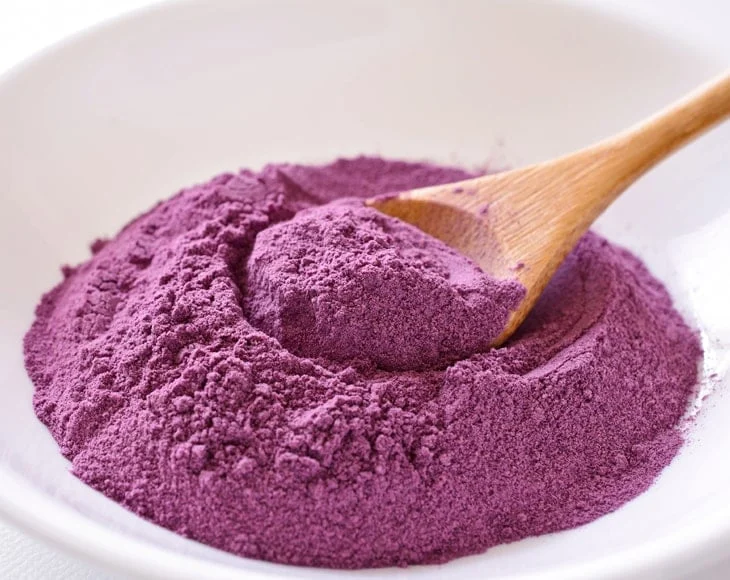
Purple yam powder and antioxidants
When processed into powder by gentle drying, ube retains a significant portion of its antioxidant compounds.
This form allows for easy integration into a modern dietary routine.
Advantages of ube powder:
- Nutritional concentration
- Ease of use
- Stability over time
- Precise dosage
Ube and other sources of purple antioxidants
Several purple foods are rich in antioxidants, but not all offer the same versatility.
Simplified comparison:
- Ube: stable anthocyanins, mild taste, multiple uses
- Blueberries: very rich but seasonal
- Açaí: powerful but strong taste
- Red cabbage: mainly savory use
Why DIOLATA values Ube
DIOLATA selects ube for its nutritional purity and natural richness in antioxidants.
DIOLATA purple yam powder is:
- Additive-free
- No artificial colorings
- From minimal processing
- Designed for healthy, conscious, and sustainable nutrition
Conclusion
Purple yam is not just aesthetic or trendy. From a scientific perspective, it represents a credible plant source of antioxidants, driven by anthocyanins.
Ube thus emerges as a superfood consistent with the demands of modern nutrition.
Resources:
- Anthocyanins are recognized for their high antioxidant activity and their role in cell protection
Source: NCBI – Anthocyanins and Human Health
- Purple yam (Dioscorea alata) exhibits measurable antioxidant activity linked to its anthocyanin content
Source: MDPI – Antioxidant Properties of Purple Yam
- A diet rich in antioxidants contributes to the reduction of oxidative stress
Source: WHO / FAO

