


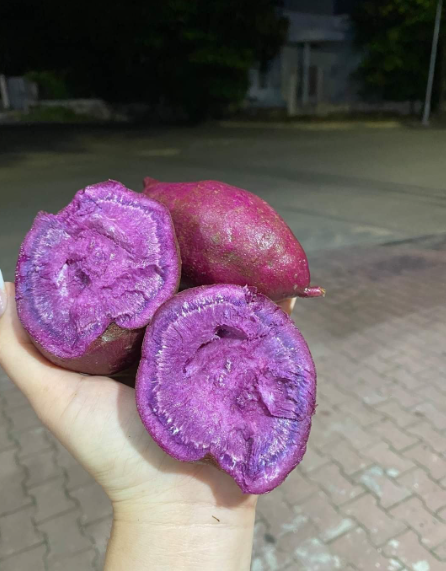

Introduction
Today, the superfood market is full of colorful fruits and ingredients with varied nutritional properties. Mango, strawberry, raspberry, red pitaya, cocoa, and purple sweet potato are widely promoted.
But how does ube, also known as purple yam, compare to these popular superfoods?
This article offers a clear and structured comparison to better understand their nutritional and functional differences.
What is Ube (purple yam)?
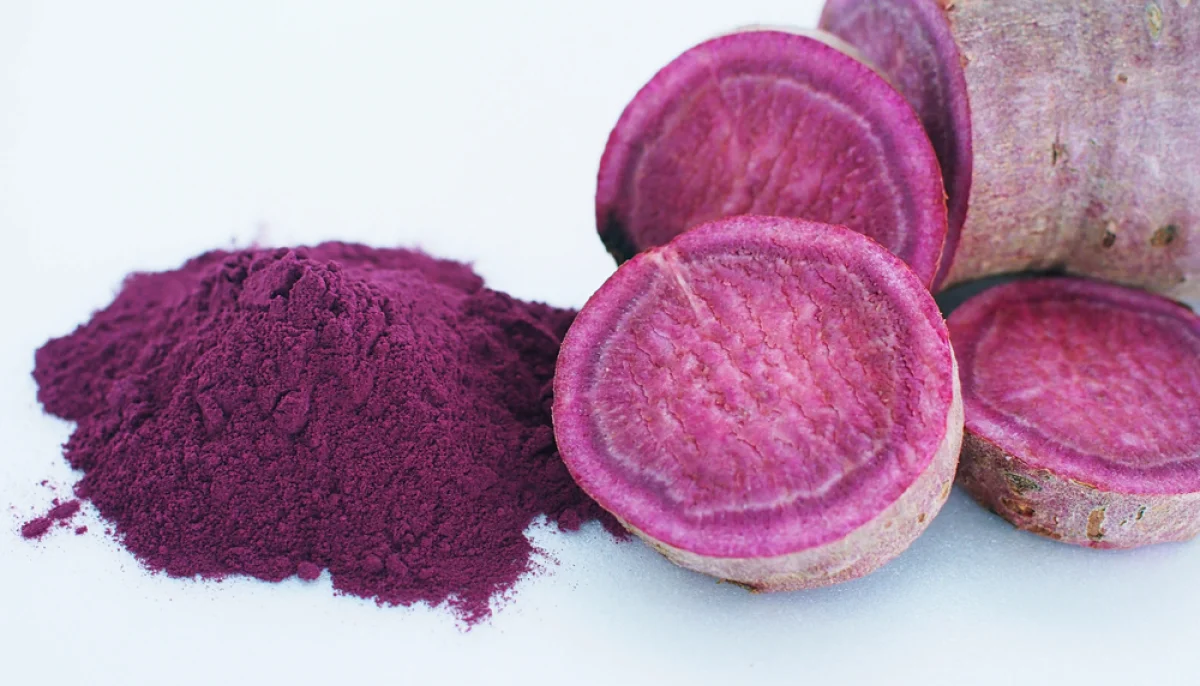
Ube (Dioscorea alata) is a tuber native to Southeast Asia, particularly used in the Philippines. It is distinguished by its deep purple color and its natural richness in anthocyanins, powerful antioxidants.
Unlike fruits, ube provides more stable energy and great culinary versatility.
Superfood comparison: strengths and specificities
Ube vs Mango

Mango is rich in vitamins A and C, but is very sweet.
Ube offers more gradual energy and a more interesting concentration of purple antioxidants.
Ube vs Strawberry

Strawberries are appreciated for their freshness, but remain delicate and seasonal.
Ube stands out for its nutritional stability and long shelf life in powdered form.
Ube vs Raspberry

Raspberry is rich in polyphenols, but its acidity limits certain uses.
Ube has a sweet and subtly vanilla flavor, making it easier to integrate into daily life.
Ube vs Red Pitaya (pink dragon fruit)

Pitaya is hydrating and visually impressive, but relatively low in nutritional density.
Ube offers more complete and sustainable nutritional value.
Ube vs Cocoa

Cocoa is rich in flavonoids but contains natural stimulants.
Ube is naturally caffeine-free, gentler for daily consumption.
Ube vs Blackberry

Blackberry is very rich in antioxidants but is unstable after processing.
Ube retains its properties better when gently processed.
Ube vs Peach

Peach is light and hydrating, but low in antioxidants.
Ube stands out for its superior nutritional density.
Ube vs Vanilla

Vanilla is primarily aromatic.
Ube provides both natural flavor and nutritional benefits.
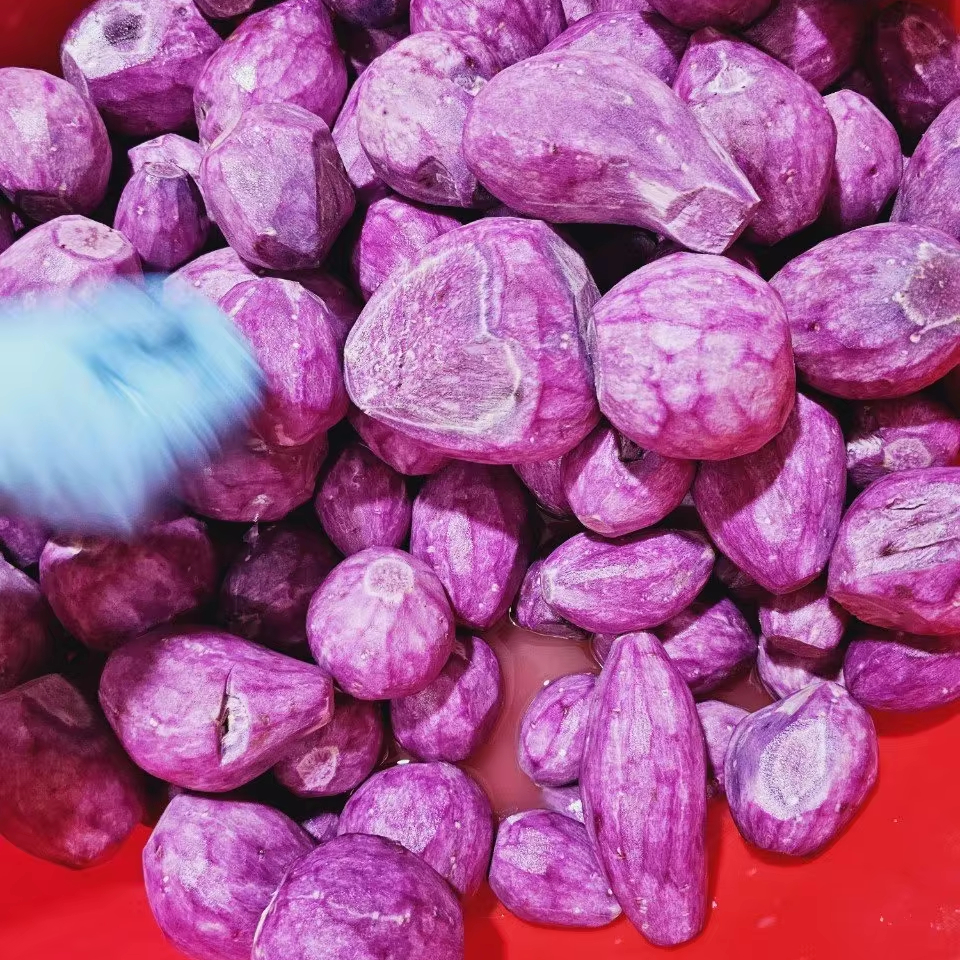
Ube vs Purple Sweet Potato

Ube (Purple Yam)
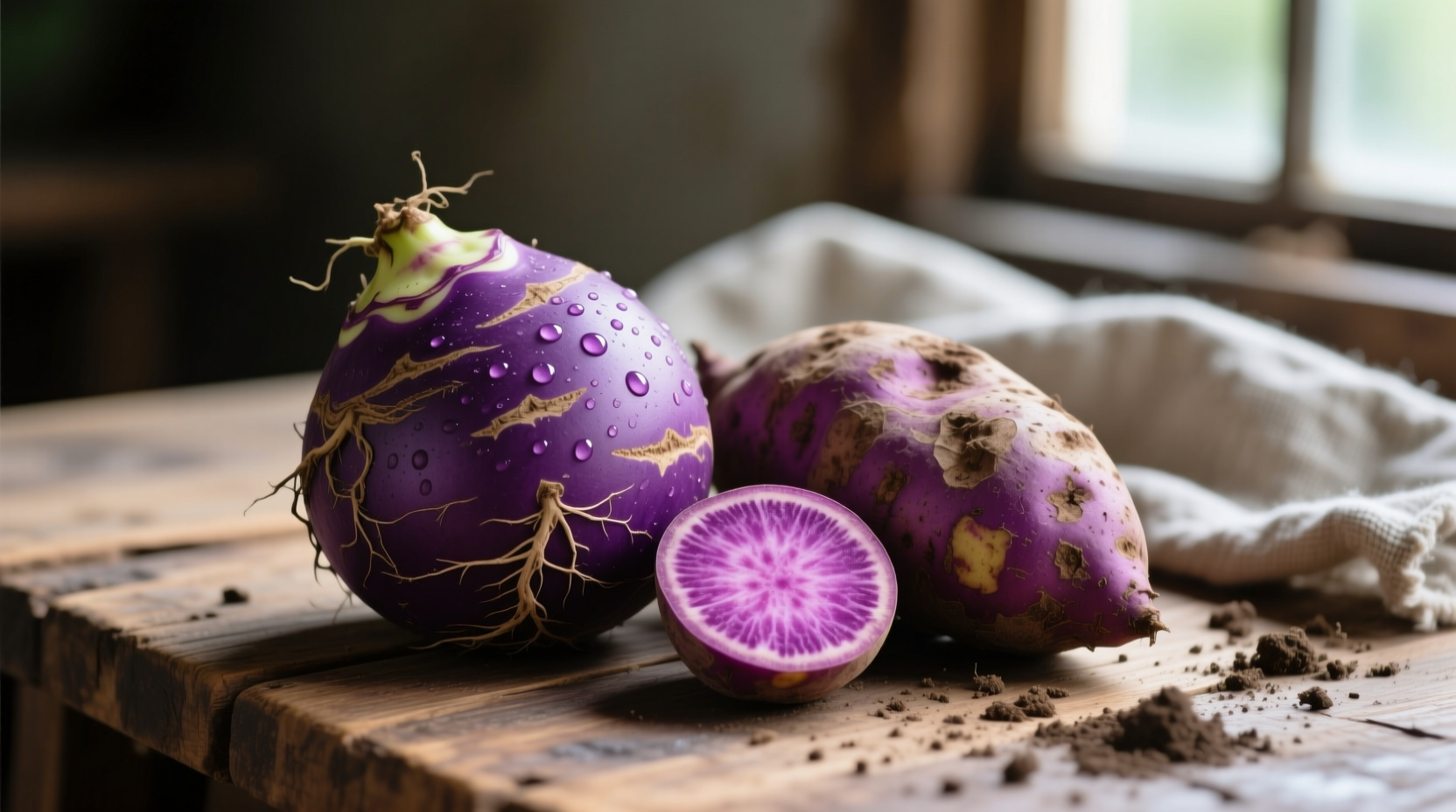
Purple sweet potato

Although visually similar, these two tubers are different.
Ube has a more vanilla-like flavor and a distinct nutritional structure.
Simplified Comparative Table - DIOLATA
| Superfood | Antioxidants | Sustained Energy | Versatility | Stimulation |
|---|---|---|---|---|
| Ube (Purple Yam) | High | Yes | Very High | No |
| Mango | Medium | Medium | Medium | No |
| Strawberry | Medium | Low | Limited | No |
| Raspberry | High | Low | Medium | No |
| Red Pitaya | Low to medium | Low | Medium | No |
| Cocoa | High | Medium | High | Yes |
| Blackberry | High | Low | Limited | No |
| Peach | Low | Low | Limited | No |
| Vanilla | Very Low | N/A | Aromatic | No |
| Purple Sweet Potato | Medium | Yes | High | No |
Why Ube Stands Out in Modern Nutrition

Ube combines antioxidants, sustained energy, digestive gentleness, and culinary versatility, making it an ingredient particularly well-suited to modern lifestyles.
Conclusion
Every superfood has its qualities, but ube stands out for its balance of nutrition, stability, and culinary creativity.
More than a trend, purple yam is establishing itself as a sustainable and functional ingredient.

